


16 Sep Best Homeowners Insurance for Value in 2026
Table of Contents
- How We Chose the Best Homeowners Insurance for Value
- Top Homeowners Insurance Providers Compared
- Amica Mutual: Best for Customer Satisfaction
- USAA: Best for Military Members and Veterans
- State Farm: Best for Local Agent Support
- Erie Insurance: Best for Guaranteed Replacement Cost
- Lemonade: Best for Tech-Savvy Homeowners
- Chubb: Best for High-Value Homes
- Colstan & Associates: Best for Personalized Service
- What Is Covered by Homeowners Insurance Policy
- Factors That Influence Homeowners Insurance Premiums
- How to Lower Homeowners Insurance Premiums
- How to Compare Home Insurance Quotes
- Conclusion
Last Updated: August 25, 2026
Finding the right homeowners insurance for value means balancing comprehensive coverage with affordable premiums. The best homeowners insurance for value in 2026 isn’t the cheapest option, it’s the one that delivers the coverage you need at a price that fits your budget. At Colstan & Associates, we work with homeowners daily to find policies that protect assets without unnecessary expenses.
This guide compares top homeowners insurance providers, explains what coverage matters most, and shows you how to lower premiums through smart choices and policy optimization.
How We Chose the Best Homeowners Insurance for Value
We assessed each provider across seven criteria: coverage breadth, replacement cost options, customer satisfaction, claims processing speed, discount availability, financial stability, and overall affordability relative to coverage quality.
The best homeowners insurance balances comprehensive dwelling coverage reflecting your home’s true reconstruction cost, personal property protection without underinsurance, and liability limits that shield your assets. Fast claims processing and fair settlements reduce the true cost of coverage when you need it. Discounts matter significantly, a provider offering 20% off for bundling, 15% for a home security system, and 10% for a claims-free history can reduce your effective premium by 40% or more. We prioritized insurers with transparent, stackable discounts and strong financial ratings from agencies like A.M. Best.
Top Homeowners Insurance Providers Compared
Amica Mutual: Best for Customer Satisfaction
Amica Mutual consistently ranks at the top for customer satisfaction and claims handling. Their YourPlan structure offers three coverage tiers, Essential, Advantage, and Signature, so you can customize protection without overpaying. The standout feature is extended replacement cost coverage, which pays to rebuild your home even if construction costs exceed your policy limit. Their Contractor Connection database connects you with vetted, licensed contractors and includes a five-year warranty on their work. Amica also offers a dividend policy that returns 5% to 20% of annual premiums to policyholders in profitable years (amica.com).

Homeowners who prioritize claims handling quality and don’t mind paying a modest premium for peace of mind and potential dividend returns.
USAA: Best for Military Members and Veterans
USAA is restricted to military members, veterans, and their eligible families. Their standard replacement cost coverage covers personal belongings without depreciation, meaning you get full replacement value. The USAA Home Protector add-on bumps coverage toward rebuilding costs by up to 25%, and active-duty members get coverage for uniforms with no deductible. USAA also offers a Wildfire Response program in qualifying states at no extra cost.
If you’re military-eligible, get a USAA quote before shopping elsewhere. Their military-specific benefits often offset higher-seeming premiums through features other insurers don’t offer.
State Farm: Best for Local Agent Support
State Farm operates the largest network of local agents in the country with an A++ Superior financial strength rating. They offer competitive rates, especially if you bundle home and auto insurance, bundling discounts can reach 25% or more. You can get quotes online, by phone, or in person. For homeowners who value personal relationships and local support, this is valuable.
Erie Insurance: Best for Guaranteed Replacement Cost
Erie Insurance’s defining feature is guaranteed replacement cost coverage, they’ll pay to rebuild your home even if costs exceed your policy limit. For homeowners in areas with rapidly rising construction costs, this is invaluable peace of mind. Erie ranks high in customer satisfaction studies, particularly for claims handling, and their multi-policy bundling discounts stack meaningfully. The catch: Erie operates in only 12 states and the District of Columbia.
If Erie serves your state, their guaranteed replacement cost coverage alone makes them worth a serious quote. This feature protects you against inflation and unexpected construction cost spikes.
Lemonade: Best for Tech-Savvy Homeowners
Lemonade uses AI to deliver instant quotes and fast claims processing, typically 30 days or less from claim filing to payment (lemonade.com). Their Giveback program donates unclaimed premiums to charities you choose. They offer standard HO-3 coverage with optional add-ons for expensive items, water backup, and earthquake coverage (in California). Their digital-first approach eliminates agent overhead, passing savings to you.
Chubb: Best for High-Value Homes
Chubb specializes in high-value home insurance, offering extended replacement cost coverage that rebuilds homes to original condition regardless of cost overruns. They include complimentary home assessments by risk consultants to ensure accurate coverage limits. For homeowners with significant assets, valuable collections, or homes over $1 million in value, Chubb’s high-touch service justifies premium pricing. If your home is worth under $500,000, you’ll find better value elsewhere.
Colstan & Associates: Best for Personalized Service
Colstan & Associates stands apart as a family-owned agency licensed in 23+ states, dedicated to matching homeowners with the right coverage for their specific situation. Rather than pushing a single product, Colstan’s client-first approach means agents analyze your home, assets, and risk profile to recommend the best policy among multiple carriers. They offer classic car coverage through Hagerty Insurance partnerships, commercial coverage for small businesses, and high-net-worth solutions. They’ve earned Merchants Insurance Group’s 2024 Agent of the Year award.
Homeowners with specialized coverage needs, classic car collections, rental properties, or those who want expert guidance navigating policy options.
What Is Covered by Homeowners Insurance Policy
Understanding what your policy covers is essential to ensuring you’re not underinsured. Standard homeowners insurance (HO-3 form) includes four main coverage categories.
Dwelling Coverage and Replacement Cost Value
Dwelling coverage covers the structure of your home, including walls, roof, foundation, built-in appliances, and permanently attached fixtures. Replacement cost value means the insurer pays what it actually costs to rebuild your home today. Actual cash value deducts depreciation, leaving gaps you must cover. Most homeowners choose replacement cost value for dwelling coverage. Extended replacement cost coverage (offered by Amica, Erie, and Chubb) pays to rebuild even if costs exceed your policy limit, protecting you if construction costs spike.
Personal Property Protection and Loss of Use
Personal property coverage pays to repair or replace your belongings, furniture, clothing, electronics, kitchen items, up to your policy limit, typically 50-70% of your dwelling coverage. This is actual cash value by default, meaning depreciation applies. Loss of use coverage pays for temporary housing, meals, and other costs if your home becomes uninhabitable due to a covered loss. getting preapproved for a loan.
High-value items often have sub-limits. For valuable items, you need scheduled personal property endorsements that list specific items and their agreed values.
Liability Coverage and Medical Payments
Liability coverage protects you if someone is injured on your property or you accidentally damage someone else’s property. Standard limits are $100,000 to $300,000, but higher limits are inexpensive to add. Medical payments coverage (typically $1,000-$5,000) pays minor medical bills for injuries on your property without requiring the injured person to sue.
Liability is where high-net-worth homeowners should over-insure. An umbrella policy adding $1-$2 million in liability is essential if you have significant assets.
Policy Exclusions and What’s Not Covered
Standard homeowners insurance excludes several common scenarios. Flood damage is the biggest gap, your policy doesn’t cover flooding from heavy rain, overflowing rivers, or storm surge. Flood insurance requires a separate policy. Earthquake damage is also excluded in standard policies but available as an optional endorsement. Wear and tear, maintenance issues, and gradual damage are excluded. Mold damage has strict limits. Understanding these gaps is crucial to avoid discovering you’re underinsured when filing a claim.
Factors That Influence Homeowners Insurance Premiums
Your premium depends on dozens of variables. Your home’s age and construction type matter significantly. Location and local risk is critical, homes in flood zones, wildfire-prone areas, or hurricane corridors pay substantially more. Replacement cost value directly drives premiums. Claims history affects your rate; a claim-free history for 5-10 years qualifies you for significant discounts. Credit-based insurance score correlates with claims likelihood. Deductible choice directly reduces premiums. Home hardening features like impact-resistant roofing, storm shutters, and upgraded electrical systems lower premiums.
How to Lower Homeowners Insurance Premiums
Lowering your premium requires a strategic approach combining discounts, coverage optimization, and risk reduction.
Bundling, Discounts, and Home Hardening
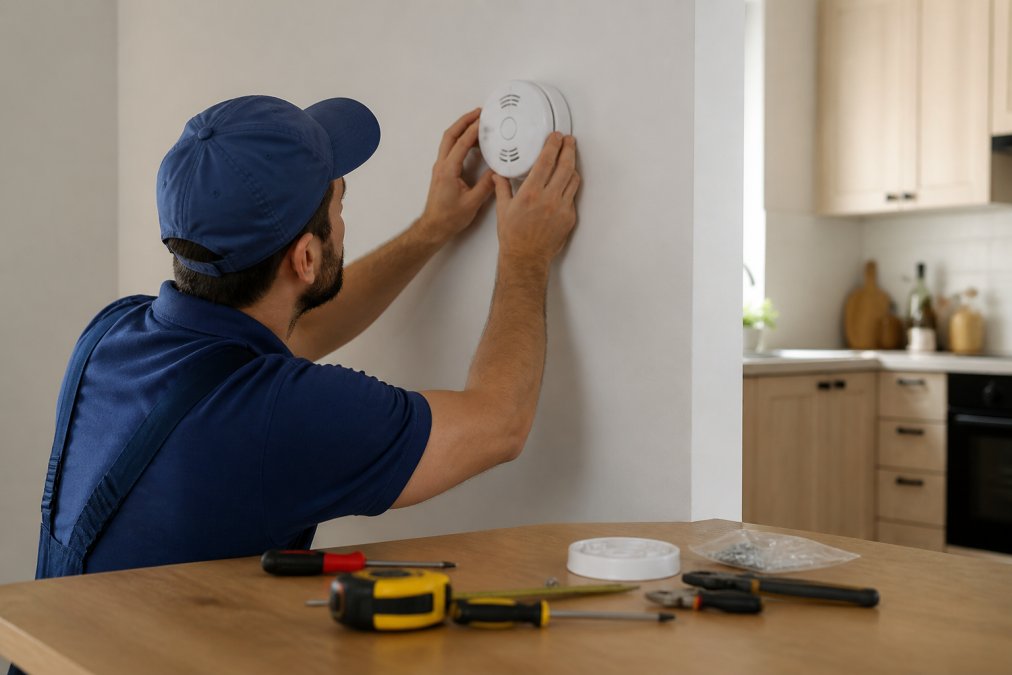
Bundling is the single most effective way to lower premiums. Combining home and auto insurance typically saves 15-25%. Discounts stack meaningfully if you know which ones to request. Security systems save 10-15%, smoke detectors save 5-10%, and protective devices for water damage save another 5%. Ask your agent for a complete discount list.
Home hardening pays long-term dividends. A new roof rated for impact resistance can reduce premiums 10-20% and typically costs $8,000-$15,000 (iii.org). The discount pays back in 5-7 years. Inflation guard endorsements automatically increase your dwelling coverage annually to match inflation, costing 2-5% extra but preventing underinsurance.
Skipping inflation guard is a common mistake. Without it, your coverage limit stays fixed while reconstruction costs rise, a gap that grows every year.
Raising Deductibles and Policy Optimization
Raising your deductible from $500 to $1,000 saves roughly 10-15% on premiums. Jumping to $2,500 saves 20-30%. This only works if you have emergency savings to cover a claim.
Policy optimization means reviewing coverage limits annually. Request a replacement cost estimate from your insurer every 2-3 years. Adjust dwelling coverage to match actual reconstruction costs. Review personal property limits and scheduled items. Drop coverage you don’t need.
How to Compare Home Insurance Quotes
Comparing quotes effectively requires standardizing the coverage you’re comparing. Start by getting quotes for identical coverage: same dwelling limit, same personal property limit, same deductible, same liability limit.
Pay attention to coverage differences beyond premium. Review discount eligibility carefully and ask each insurer for their full discount list. Ask about claims handling and processing times. Check financial strength ratings from A.M. Best or similar agencies.
| Factor | What to Compare | Why It Matters |
|---|---|---|
| Dwelling Coverage | Replacement cost limit (should match your home’s reconstruction cost) | Underinsurance leaves you exposed; overinsurance wastes money |
| Personal Property | Coverage limit and actual cash value vs. replacement cost | Actual cash value deducts depreciation; replacement cost doesn’t |
| Deductible | $500, $1,000, $2,500, or higher | Higher deductibles lower premiums but increase out-of-pocket costs |
| Liability Limit | $100K, $300K, $500K, or higher | Higher limits protect more assets; cost is minimal |
| Discounts | Bundling, claims-free, protective devices, security systems | Discounts can reduce premiums 30%+ when stacked |
| Claims Processing | Average time from filing to payment | Faster processing means less financial stress during recovery |
Finding the best homeowners insurance for value means matching coverage to your actual needs and risk profile, then optimizing through discounts and policy refinement. The cheapest premium isn’t always the best value, a policy that underinsures you by $200,000 in dwelling coverage is a disaster waiting to happen.
Start by getting quotes from at least three carriers using identical coverage specifications. Review the coverage details, not just the premium. Then apply every discount you qualify for and consider home hardening improvements that reduce risk long-term.
If you’re uncertain whether your current coverage is adequate or if you have specialized needs, a classic car collection, a rental property, or complex assets, working with an independent agent like Colstan & Associates ensures you’re not leaving value on the table. Their client-first approach means you get personalized recommendations based on your situation, not a generic policy. Start a quote with Colstan & Associates and get expert guidance on coverage that protects what you’ve built.
Frequently Asked Questions
Q: What is the average cost of homeowners insurance in 2026?
A: Average homeowners insurance premiums vary significantly by location, home value, and coverage limits. National averages for 2026 range from approximately $2,151 to $2,966 annually for $300,000 to $350,000 in dwelling coverage, depending on the insurer and your specific situation. Factors like your home's age, construction type, local crime rates, and claims history all affect your premium. Contact Colstan & Associates for a personalized quote based on your home's unique characteristics.
Q: What is the difference between actual cash value and replacement cost coverage?
A: Actual cash value pays for the depreciated value of damaged items, accounting for age and wear. Replacement cost value covers the full cost to replace items with new ones of similar quality, regardless of depreciation. Most homeowners prefer replacement cost coverage because it provides better protection, though it typically costs more. When comparing homeowners insurance policies, check which valuation method each insurer uses for personal property protection.
Q: How can I lower my homeowners insurance premiums?
A: Several strategies reduce your costs: bundle home and auto policies for multi-policy discounts, install protective devices like burglar alarms and fire detectors, improve your home's safety features through home hardening, maintain a claims-free history, and ask about discounts for new homes or impact-resistant roofs. Adding an inflation guard endorsement protects against reconstruction cost increases while maintaining reasonable premiums. Colstan & Associates can review your current coverage and identify savings opportunities tailored to your situation.
Q: What does homeowners insurance not cover?
A: Standard homeowners insurance policies exclude flood damage, earthquakes, war, and normal wear and tear. Most policies also exclude damage from poor maintenance, intentional damage, and certain high-risk items. Water damage from flooding requires separate flood insurance. Earthquake coverage must be added as an endorsement in most states. Review your policy's exclusions carefully, and ask about riders or endorsements for valuable items like jewelry or art collections that may exceed standard personal property limits.
This article was written using GrandRanker