


16 Sep Choose Classic Car Insurance for Modified Cars
Table of Contents
- What Is Modified Car Insurance?
- Agreed Value vs. Stated Value Insurance
- How to Document Car Modifications for Insurance
- Getting a Classic Car Appraisal for Insurance Purposes
- Types of Modifications Covered Under Specialty Policies
- Factors Affecting Your Modified Classic Car Insurance Premium
- How to Choose the Right Policy for Your Build
- Conclusion
Last Updated: August 28, 2026
What Is Modified Car Insurance?
Modified car insurance is specialized coverage designed specifically for vehicles that have been customized beyond their original factory specifications. Unlike standard auto policies that apply generic valuations based on make and model, classic car insurance for modified cars accounts for the substantial value added through aftermarket parts, performance upgrades, and cosmetic enhancements.
When you’ve invested thousands into custom engine work, rebuilt suspensions, or hand-crafted interiors, a standard policy won’t protect that investment. A total loss settlement based on the vehicle’s original MSRP would leave you significantly undercompensated. This is where specialty policies step in, they recognize that your street rod, kit car, or restoration project is worth far more than the sum of its factory parts.
At Colstan & Associates, we work with classic car owners to ensure their modified vehicles receive the protection they deserve. The difference between adequate coverage and inadequate coverage often comes down to how thoroughly you document your modifications and how well your policy is structured to reflect your actual investment.
Modern insurance companies serving the enthusiast community understand that modifications range from simple cosmetic upgrades to complete frame-off restorations. Your policy needs to reflect that complexity.
Agreed Value vs. Stated Value Insurance
The choice between agreed value and stated value coverage fundamentally changes how your claim is settled. Understanding this distinction is critical before you purchase a policy.
Agreed value coverage locks in a specific amount with your insurer before a loss occurs. You and the insurance company agree on your vehicle’s worth, typically supported by an appraisal, documentation of modifications, and market comparables. If your modified classic car is totaled, you receive that agreed-upon amount, regardless of what the market says the vehicle is worth at claim time. This eliminates depreciation disputes and provides certainty.
Stated value coverage works differently. You declare what you believe your vehicle is worth, and the insurer accepts that statement at face value during underwriting. However, if a total loss occurs, the insurer can investigate and adjust the payout based on actual cash value at the time of loss. This means depreciation, market conditions, and the insurer’s assessment all factor into your settlement.
For modified vehicles, agreed value is almost always the superior choice. Your custom parts, performance modifications, and restoration work represent real monetary investment. Agreed value protects that investment by locking in compensation before any loss occurs. Stated value leaves room for negotiation and potential underpayment when you need the money most.
The premium difference between the two is typically modest, but the protection gap is substantial. When you’ve spent a significant amount customizing a vehicle, that premium difference is insurance on your insurance.
How to Document Car Modifications for Insurance
Documentation is your strongest defense in any claim involving custom parts and equipment. Insurers need concrete evidence of what modifications exist, what they cost, and what condition they’re in before a loss.
Start with photography. Take clear, well-lit photos of every modification, engine bay details, interior custom work, exterior paint or body modifications, suspension upgrades, and any performance equipment. Include close-ups of specific components and wide shots showing how modifications integrate into the overall vehicle. Date-stamp these photos or keep detailed notes about when they were taken. This visual record becomes essential if you need to prove what was installed.
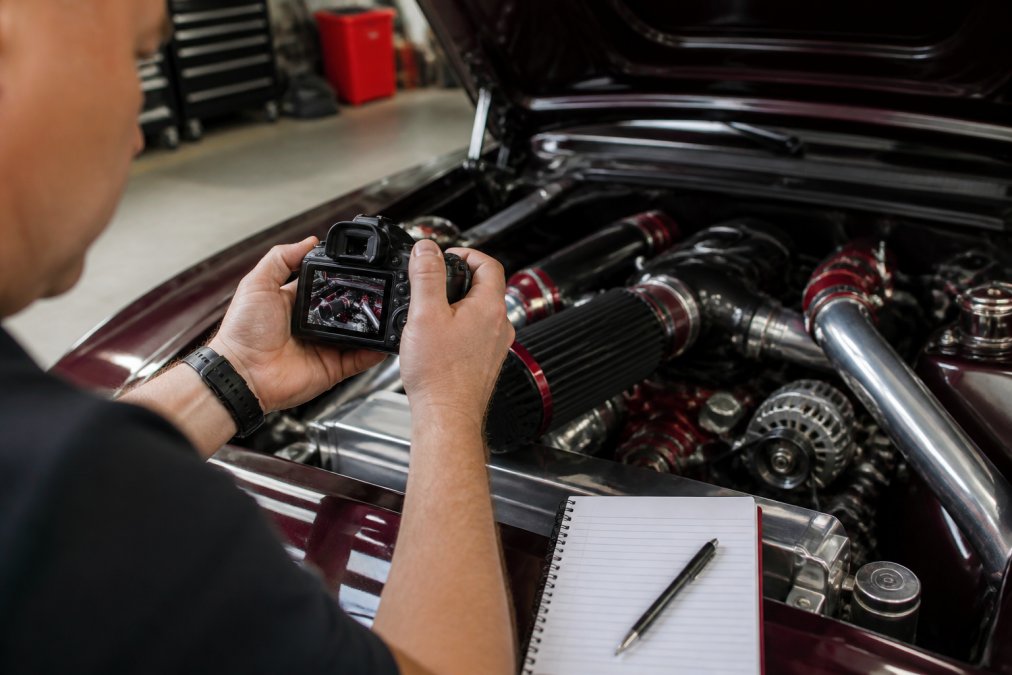
Keep receipts and invoices for every modification. If you had professional work done, you have documentation already. If you performed DIY work, gather receipts for parts purchased, and document the labor with photos showing before-and-after states. For high-value modifications, consider having a professional appraiser create a detailed inventory with photographs and estimated values.
Create a comprehensive modification list. Document the part name, manufacturer, installation date, original cost, and current estimated value for each modification. Include both performance upgrades (engine work, transmission modifications, suspension components) and cosmetic enhancements (paint, interior restoration, custom trim). This list becomes your reference document during underwriting and invaluable during claims.
Video documentation adds another layer of protection. Record a walk-around of your vehicle, narrating each modification and explaining what was done and why. This video evidence is harder to dispute than photographs alone and demonstrates the actual condition and functionality of your work.
For restoration projects still under way, document progress. Take photos at each major milestone, frame work, welding, painting, assembly. This creates a chronological record that supports your claim about the vehicle’s current value and condition.
Store all documentation securely. Keep originals in a fireproof safe and maintain digital copies in cloud storage. If your vehicle is damaged or totaled, you’ll need quick access to this evidence to support your claim. The insurer will request this documentation during the claims process.
Getting a Classic Car Appraisal for Insurance Purposes
A professional appraisal is the gold standard for establishing your modified vehicle’s value. Unlike market comparables or online valuation tools, an appraisal provides a detailed, documented assessment that insurers trust and that holds up in claim disputes.
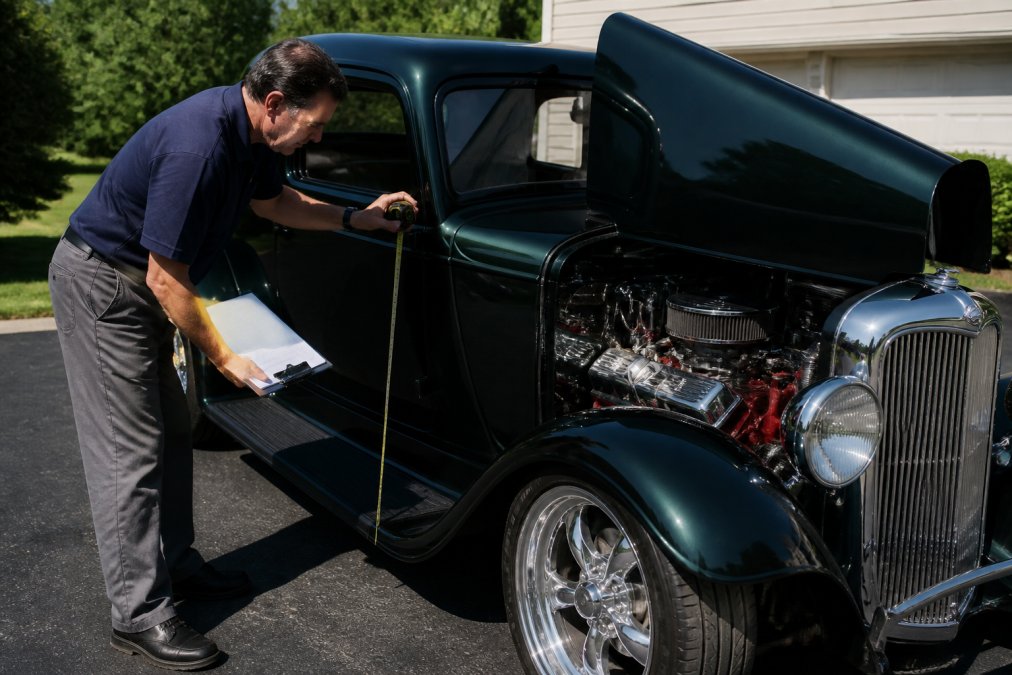
Choose an appraiser with specific experience in classic and modified vehicles. General auto appraisers lack the expertise to properly value custom work. Look for appraisers certified by organizations that specialize in collector and specialty vehicles. They understand the nuances of restoration quality, performance modifications, and market values for customized cars.
The appraisal process typically begins with a detailed inspection. The appraiser examines every modification, takes photographs, and documents the quality of work. They assess whether modifications were professionally installed or DIY, and whether the work meets industry standards. They research comparable sales of similar vehicles with similar modifications to establish market value.
The appraiser will produce a written report detailing the vehicle’s condition, all modifications present, and a final appraised value. This report becomes your evidence during underwriting and your protection during claims.
Expect to pay for a thorough appraisal of a modified classic car, depending on the vehicle’s complexity and your location. This is a one-time investment that protects a significantly larger investment in your vehicle. Many specialty insurers require an appraisal before issuing a policy, so budget for this cost upfront. tracking vehicle upgrades.
Update your appraisal every 3-5 years if you make significant modifications or if market conditions shift substantially (aaa.com). An outdated appraisal can become a liability in a claim if the insurer argues that values have changed. Keeping your appraisal current ensures your coverage stays aligned with your actual investment.
Types of Modifications Covered Under Specialty Policies
Specialty policies for modified vehicles typically cover a broad range of aftermarket parts and equipment, but coverage varies by policy and insurer. Understanding what’s included, and what’s excluded, prevents surprises when you file a claim.
Performance modifications are generally covered under comprehensive and collision policies. This includes engine upgrades, transmission modifications, turbochargers, superchargers, and suspension work. These modifications increase the vehicle’s value and must be itemized in your policy.
Cosmetic upgrades receive coverage through most specialty policies. Custom paint, interior restoration, upholstery work, and trim modifications are typically included if documented and appraised. The key is ensuring your policy’s coverage limits account for the value of these enhancements.
Safety equipment installed beyond factory specifications is often covered. This includes upgraded braking systems, roll cages, racing harnesses, and custom lighting. Some insurers view safety modifications favorably because they reduce risk.
Custom parts and equipment endorsements are add-ons that specifically list high-value components. If you have a custom interior or a performance engine, an endorsement ensures these specific items are covered separately. This prevents disputes about whether they fall under general coverage limits.
However, coverage gaps exist. Racing modifications intended for track use are typically excluded from street-use policies (nada.org). Modifications that significantly increase performance beyond safe street-legal parameters may face exclusions. Some insurers exclude coverage for modifications made by the vehicle owner if professional installation wasn’t used.
Your policy should explicitly list major modifications and their agreed values. Vague language like "all modifications" creates ambiguity that insurers exploit during claims. Specific itemization protects you by removing doubt about what’s covered.
Factors Affecting Your Modified Classic Car Insurance Premium
Your premium reflects multiple factors beyond the vehicle’s base value. Understanding what drives your rate helps you make decisions that balance protection with cost.
The vehicle’s agreed value is the primary driver of your premium. A modified classic car worth more costs more to insure than one worth less. The appraisal you obtain directly influences this calculation.
Your driving habits matter significantly. Annual mileage caps are common in classic car policies. If you drive your modified vehicle daily, you’ll pay more than someone who drives it seasonally. Many enthusiasts keep their cars under 2,500 miles annually, which qualifies for lower rates (hagerty.com).
The type and extent of modifications affect your rate. A street rod with a modern engine and updated suspension presents different risk than a restoration using period-correct components. Performance modifications that increase horsepower or speed may increase your premium because they’re associated with higher risk.
Storage and security features influence your rate. Vehicles stored in a garage are cheaper to insure than those parked outside. Alarm systems, GPS tracking, and other security measures can reduce your premium.
Your driving record and claims history directly impact pricing. A clean record qualifies you for better rates. Multiple claims or traffic violations increase your premium significantly.
The insurer’s appetite for modified vehicles varies. Some companies specialize in this market and offer competitive rates. Others treat modified cars as higher-risk and charge accordingly. Shopping among insurers familiar with the enthusiast community typically yields better pricing than going to standard carriers.
Your location affects your rate. Urban areas with higher theft and accident rates cost more to insure than rural areas. Some states have higher insurance costs across the board due to regulation and claims experience.
How to Choose the Right Policy for Your Build
Selecting the right policy requires matching coverage to your specific vehicle, how you use it, and what you’ve invested in modifications.
Start by determining your vehicle’s actual value. This is where the appraisal becomes essential. Know the agreed value you’ll request before you begin shopping for policies. Insurers will ask for this number, and having it documented through an appraisal strengthens your position.
Next, identify your usage pattern. Do you drive this vehicle daily, seasonally, or primarily to car shows? Are you still working on restoration, or is the build complete? Your answers determine which policy type fits best. A vehicle driven only to shows and car events qualifies for low-mileage policies with lower premiums. A vehicle you drive regularly needs broader coverage.
Evaluate coverage options carefully. Agreed value is essential for modified vehicles. Comprehensive and collision coverage protects against accidents, weather, and theft. Consider uninsured motorist coverage in case you’re hit by someone without insurance. Liability coverage protects you if you cause damage to others.
Custom parts endorsements deserve careful attention. If you have high-value specific modifications, itemize them separately. This prevents disputes about whether they’re covered under general limits.
Review policy exclusions thoroughly. What’s explicitly excluded? Racing use, off-road use, and commercial use are common exclusions. Ensure the exclusions don’t prohibit how you actually use your vehicle.
Compare quotes from multiple insurers specializing in classic and modified vehicles. Standard insurers rarely understand the value proposition of your build and will underprice or overprice accordingly. Specialty insurers familiar with street rods, kit cars, and restoration projects provide better-informed quotes.
Ask about discounts. Multi-policy bundling, safety features, and claims-free history often qualify you for reductions. Some insurers offer discounts for membership in car clubs or enthusiast organizations.
At Colstan & Associates, we partner with Hagerty Insurance and other specialty carriers to ensure classic car owners get coverage that reflects their actual investment. Our team understands the nuances of modified vehicles and can help you navigate the underwriting process to secure appropriate coverage at fair rates.
Request quotes in writing and compare the details side by side. The lowest premium isn’t always the best value if coverage is significantly narrower. A slightly higher premium that covers your specific modifications and modifications is worth the difference.
Protecting a modified classic car requires more than a standard auto policy. You’ve invested time, money, and passion into your build, your insurance should reflect that investment. The right policy combines agreed value coverage, detailed modification documentation, and an insurer experienced with specialty vehicles. Colstan & Associates can help you evaluate your options and find coverage that truly protects what you’ve built. Get started with a personalized quote that accounts for your specific modifications and driving habits.
Frequently Asked Questions
What is the difference between agreed value and stated value for modified cars?
Agreed value means you and your insurer settle on a specific amount upfront, and that's what you receive if your modified classic car is totaled, regardless of market fluctuations. Stated value lets you declare what you believe your vehicle is worth, but the insurer may dispute that amount during a claim. For heavily modified cars with custom parts and equipment, agreed value typically offers better protection because it removes uncertainty about how the insurer will value your aftermarket components.
How do I document my classic car modifications for an insurance claim?
Document every modification with detailed photographs, receipts, and invoices. Take photos of the engine, interior, exterior, and any custom parts from multiple angles. Keep records of all professional work and materials purchased. Create a comprehensive list describing each modification, its cost, and installation date. Store this documentation digitally and in hard copy. When filing a claim for custom parts, provide this evidence immediately to support the value of your aftermarket equipment and help the insurer understand exactly what was damaged or lost.
Do I need a professional appraisal for my modified classic car?
A professional appraisal is highly recommended for modified classic cars, especially if you're seeking agreed value coverage. An appraiser will evaluate the quality of your custom parts, the expertise of the build, and the current market value of your specific vehicle. This documented valuation becomes the foundation for your coverage limits and helps prevent disputes during a claim. Many specialty insurers require or strongly encourage an appraisal for vehicles with significant modifications.
Will my modified classic car insurance cover aftermarket parts if the vehicle is totaled?
Coverage for aftermarket parts depends on your policy type and endorsements. Standard auto insurance typically does not cover custom parts and equipment. However, specialty modified car policies and custom parts endorsements are specifically designed to protect your investment in these upgrades. When choosing a policy, confirm that it includes coverage for your specific modifications, whether performance modifications, cosmetic upgrades, or safety equipment, and verify the coverage limits match the value of your custom parts.
This article was written using GrandRanker