


16 Sep What Is Covered by Homeowners Insurance: A 2026 Guide
Table of Contents
- What Is Homeowners Insurance?
- The Six Standard Coverage Types in Homeowners Insurance
- Common Perils Covered by Standard Policies
- Replacement Cost vs. Actual Cash Value: Understanding the Difference
- Homeowners Insurance Exclusions List: What Your Policy Won’t Cover
- How to File a Homeowners Insurance Claim
- Endorsements and Riders: Closing Coverage Gaps
- Conclusion
Last Updated: August 26, 2026
What Is Homeowners Insurance?
Homeowners insurance protects your home and personal belongings against financial loss from damage, theft, or liability claims. At Colstan & Associates, we work with homeowners to ensure they understand exactly what is covered by homeowners insurance policy and where gaps might exist in their protection.
A standard homeowners insurance policy combines several types of coverage into one package. Rather than buying separate policies for your house, your belongings, and your liability exposure, you get comprehensive protection through a single contract. Understanding these differences is critical before you sign on the dotted line, especially if you own a home with unique features or high-value assets.
The Six Standard Coverage Types in Homeowners Insurance
Most homeowners insurance policies include six standard coverage types. Each one addresses a different aspect of your financial exposure as a homeowner.

Dwelling Coverage
Dwelling coverage pays to repair or rebuild your home if it’s damaged by a covered peril. It covers the structure itself, walls, roof, floors, built-in appliances, and permanent fixtures, but not the land your home sits on.
The coverage amount you choose should reflect the cost to rebuild your home from the ground up, not its market value. A home worth $400,000 in a hot market might cost $350,000 to rebuild if land values are high. Most lenders require dwelling coverage equal to at least 80% of your home’s replacement cost (consumerfinance.gov). Some policies include an inflation guard endorsement that automatically increases your dwelling coverage each year to account for rising construction costs.
Other Structures Coverage
Other structures coverage protects detached buildings on your property, including a detached garage, shed, guest house, pool house, or barn. The coverage typically pays up to 10% of your dwelling coverage limit, though you can increase this if needed.
Many homeowners overlook this coverage type because they assume their main dwelling policy covers everything on their property. If you have valuable detached structures, review your limits and consider raising them through an endorsement.
Personal Property Coverage
Personal property coverage protects your belongings inside the home and, in some cases, outside it. This includes furniture, clothing, electronics, kitchenware, and other items you own. This coverage typically pays up to 50-70% of your dwelling coverage limit (naic.org).
For high-value items like jewelry, artwork, or collectibles, you may need a separate endorsement called a scheduled personal property rider to ensure full replacement cost coverage. Personal property coverage also extends outside your home, though the specifics depend on your policy.
Personal Liability Protection
Personal liability protection covers legal and medical expenses if someone is injured on your property or if you accidentally damage someone else’s property. This coverage typically starts at $100,000 per occurrence, though many homeowners increase it to $300,000 or $500,000 for added protection.
If you have significant assets to protect, a higher limit makes sense. An umbrella liability policy can extend this protection further, covering claims that exceed your homeowners policy limits. Liability coverage does not cover intentional acts or damage caused by business activities on your property.
Medical Payments to Others
Medical payments to others covers minor medical expenses for people injured on your property, regardless of fault. If a neighbor’s child falls in your pool and needs emergency care, this coverage pays their medical bills up to the limit (typically $1,000-$5,000).
This coverage is valuable because it pays medical costs without requiring the injured person to prove you were negligent. Unlike personal liability protection, it doesn’t cover legal defense costs or large settlements.
Loss of Use and Additional Living Expenses
Loss of use coverage, also called additional living expenses, pays for temporary housing and living costs if your home becomes uninhabitable due to a covered loss. Coverage typically pays up to 20-30% of your dwelling coverage limit, which is often enough to cover several months of temporary housing and displaced living costs.
Common Perils Covered by Standard Policies
A peril is a specific cause of loss covered by your insurance policy. Most standard policies cover fire, lightning, windstorms, hail, theft, vandalism, falling objects, vehicle and aircraft damage, explosions, riots, and smoke damage.
However, standard policies do not cover water damage from flooding, earthquakes, or wear and tear. They don’t cover damage from pests, mold, or gradual deterioration. These exclusions exist because they’re either insurable through separate policies or because they’re maintenance issues rather than sudden, accidental losses. In coastal areas prone to hurricanes, insurers may exclude wind damage or charge higher premiums.
Replacement Cost vs. Actual Cash Value: Understanding the Difference
When you file a claim for personal property damage, your policy pays either replacement cost or actual cash value, depending on which you chose when you purchased the policy.
Replacement cost means your insurer pays what it costs to replace the damaged item with a new one of similar quality. If a fire destroys your five-year-old couch, replacement cost coverage pays for a new couch of equivalent quality today. emergency preparedness checklist.
Actual cash value means your insurer pays replacement cost minus depreciation for the item’s age and condition. That same five-year-old couch depreciates over time, so actual cash value coverage pays less than replacement cost.
Most homeowners choose replacement cost coverage for personal property because it provides fuller recovery after a loss. Ask your agent which option applies to your dwelling and personal property coverage.
Homeowners Insurance Exclusions List: What Your Policy Won’t Cover
Understanding homeowners insurance exclusions is as important as knowing what is covered by homeowners insurance policy. Common exclusions include flooding, earthquakes, wear and tear, pest damage, mold, and maintenance issues.
Flooding is the most significant exclusion for most homeowners. Standard policies do not cover damage from heavy rain, overflowing rivers, storm surge, or groundwater seepage. If you live in a flood-prone area, you need a separate flood insurance policy through the National Flood Insurance Program or a private insurer. FEMA’s National Flood Insurance Program provides coverage for flood damage that homeowners policies exclude.
Earthquakes are also excluded from standard policies. If you live in an earthquake-prone region, earthquake insurance is available as a separate endorsement or standalone policy.
Maintenance and wear and tear are never covered. Insurance covers sudden, accidental damage, not gradual deterioration from lack of upkeep.
Mold and pest damage are typically excluded unless they result from a covered peril. Business property and business liability are excluded from homeowners policies. If you run a business from home, you need commercial coverage. Intentional damage is never covered. Insurance covers accidents and unforeseen events, not intentional acts.
How to File a Homeowners Insurance Claim
Filing a homeowners insurance claim involves several steps, and understanding the process helps you move through it efficiently.
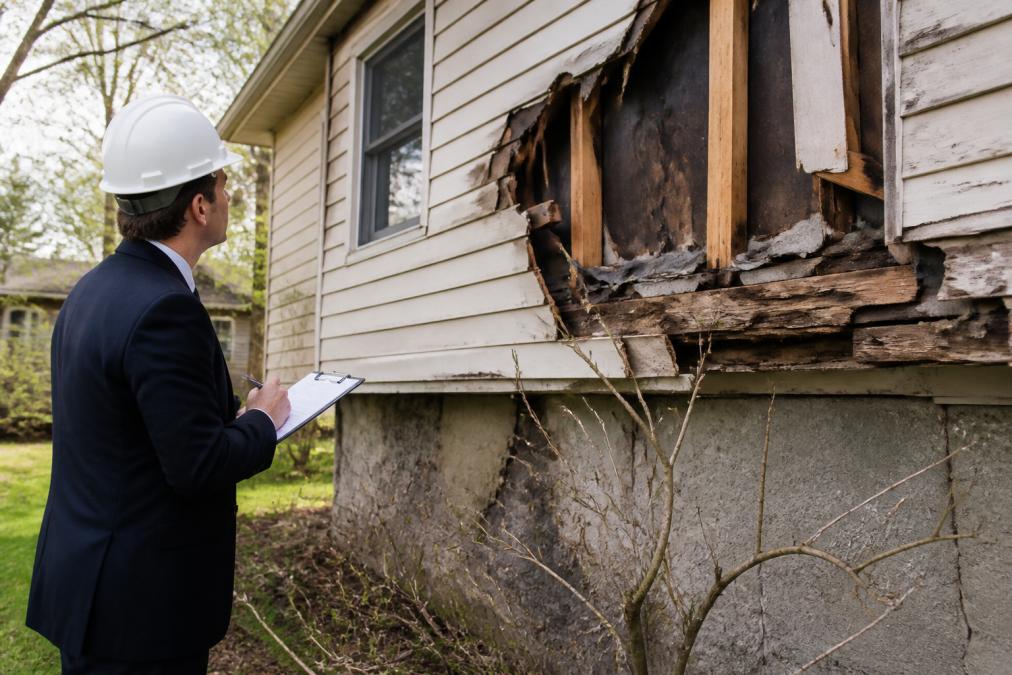
Step 1: Document the damage. Take photos and videos of all damaged areas. Capture wide shots and close-ups. This visual evidence is crucial for your claim.
Step 2: Contact your insurance company. Call your insurer’s claims line as soon as possible after the loss. Have your policy number handy and be ready to describe what happened.
Step 3: Prevent further damage. Take reasonable steps to prevent additional loss. If a window is broken, board it up. Keep receipts for any emergency repairs.
Step 4: Meet with the insurance adjuster. Your insurer will assign an adjuster to inspect the damage. Be present during the inspection and point out all damage. Provide the adjuster with your photos, receipts, and any other documentation.
Step 5: Review the adjuster’s estimate. Review the estimate carefully. If you disagree with the assessment, you can request a second opinion or hire an independent adjuster.
Step 6: Receive payment. Once the claim is approved, your insurer issues payment. For dwelling coverage claims, payment may be issued in stages. For personal property claims, payment is typically issued as a single check.
Endorsements and Riders: Closing Coverage Gaps
Standard homeowners policies provide broad protection, but they may not cover all your needs. Endorsements and riders are add-ons that modify your policy to include additional coverage or increase existing limits.
Scheduled personal property endorsements list high-value items separately and cover them for their full replacement cost without depreciation. If you own jewelry, collectibles, or artwork worth more than your standard personal property coverage limit, a scheduled endorsement ensures full replacement cost coverage.
Water backup coverage protects against damage from sump pump failures, backed-up sewers, or water entering through basement windows. Replacement cost endorsements upgrade your personal property coverage from actual cash value to replacement cost. Home business endorsements extend coverage to business equipment and liability if you run a business from home. Earthquake and flood endorsements extend coverage to these perils, which are excluded from standard policies.
Review your policy annually with your insurance agent to identify coverage gaps. As your home and possessions change, your coverage needs change too. Adding the right endorsements ensures you’re protected for your actual situation.
Protecting your home and family requires more than just a basic policy. Understanding what is covered by homeowners insurance policy, and what isn’t, is the first step toward comprehensive protection. Colstan & Associates works with homeowners to review their coverage, identify gaps, and build a customized policy that matches their needs and budget. Our licensed agents in 23+ states are ready to help you find the right protection for what you’ve worked hard to build. Start a quote today and discover how personalized homeowners insurance can give you peace of mind.
Frequently Asked Questions
Q: What perils are covered by a standard homeowners insurance policy?
A: Standard homeowners insurance covers damage from fire, wind, hail, theft, vandalism, and falling objects. Most policies also cover sudden damage from ice, snow, or sleet weight. However, coverage varies by policy type. The most common form (HO-3) covers these named perils for the dwelling structure, while personal property coverage typically includes the same perils plus water damage from burst pipes. Floods and earthquakes are not covered under standard policies and require separate coverage.
Q: What is the difference between dwelling coverage and personal property coverage?
A: Dwelling coverage protects the physical structure of your home, including walls, roof, foundation, built-in appliances, and attached structures. Personal property coverage protects your belongings inside the home, such as furniture, electronics, clothing, and other items you own. If your home burns down, dwelling coverage pays to rebuild the structure, while personal property coverage reimburses you for the contents you lost. Both are essential components of homeowners insurance.
Q: Does homeowners insurance cover damage from floods or earthquakes?
A: No. Standard homeowners insurance policies exclude flood and earthquake damage. Flood damage requires a separate flood insurance policy, which you can purchase through the National Flood Insurance Program or private insurers. Earthquake damage also requires a separate endorsement or policy. If you live in a flood-prone or seismically active area, these additional coverages are critical to protect your property and should be discussed with your insurance agent.
Q: What should I do immediately after a covered loss to protect my claim?
A: Take steps to prevent further damage, such as turning off water if pipes burst or boarding windows after a break-in. Document everything with photos and videos of the damage before cleaning up. Contact your insurance company as soon as possible to report the claim. Gather receipts, invoices, and proof of purchase for damaged items. Keep detailed records of all communications with your insurer and any repair estimates you obtain. This documentation strengthens your claim and helps the adjuster process it fairly.
Q: What is personal liability coverage and why is it important?
A: Personal liability coverage protects you if someone is injured on your property or if you accidentally damage someone else's property, and they sue you for damages. For example, if a guest slips on your icy driveway and breaks their leg, your liability coverage pays their medical bills and legal costs. Standard policies typically include $100,000 to $300,000 in liability protection. Given the cost of medical care and potential lawsuits, this coverage is essential for protecting your assets.
Q: How do deductibles work in a homeowners insurance policy?
A: A deductible is the amount you pay out of pocket before your insurance coverage kicks in. For example, if you have a $1,000 deductible and file a claim for $5,000 in damage, you pay $1,000 and your insurer covers $4,000. Higher deductibles lower your premium but increase your out-of-pocket costs when you file a claim. Most homeowners choose deductibles between $500 and $2,500. Some insurers offer percentage-based deductibles for wind or hail damage, typically 1-5% of your dwelling coverage limit.
Q: What are common exclusions in homeowners insurance policies?
A: Standard exclusions include floods, earthquakes, wear and tear, maintenance issues, and intentional damage. Most policies also exclude damage from pests, mold (unless caused by a covered peril), and loss of use from any cause other than a covered event. Business activities conducted from your home may not be covered, and high-value items like jewelry or artwork often have coverage limits. Damage from poor construction or faulty workmanship is typically excluded. Review your policy's exclusions section carefully and discuss any gaps with your agent.
Q: Can I increase my coverage limits if I have valuable items or high-risk exposures?
A: Yes. You can increase dwelling and personal property limits to match your home's replacement cost and the value of your belongings. For high-value items like jewelry, fine art, or collectibles, you can add scheduled personal property endorsements that cover them for their full replacement value without a deductible. If you need additional liability protection beyond standard limits, you can purchase an umbrella policy. Colstan & Associates can help you evaluate your coverage needs and recommend endorsements or riders that close gaps in your protection.
This article was written using GrandRanker