


16 Sep How to Insure a Classic Car Collection
Table of Contents
- Understanding Classic Car Insurance vs. Standard Auto Policies
- Agreed Value vs. Stated Value Insurance for Collector Vehicles
- Classic Car Insurance Requirements and Eligibility
- Coverage Options for Your Collection
- Collector Vehicle Storage Guidelines and Requirements
- Valuation Documentation and the Claims Process
- Factors That Affect Your Collection’s Premium
- Steps to Qualify and Get Covered
Last Updated: August 23, 2026
Understanding Classic Car Insurance vs. Standard Auto Policies
Standard auto insurance treats vehicles as depreciating assets, paying out based on actual cash value at the time of loss. Classic cars appreciate over time, making this approach fundamentally inadequate. A 1967 Chevrolet Corvette doesn’t depreciate like a 2024 sedan, standard policies fail to account for restoration work, specialized parts, and the emotional investment collectors make.
Classic car insurance operates on a different framework entirely. These policies recognize that collector vehicles gain value over time and account for restoration costs, specialized parts, and climate-controlled storage. The underwriting process differs too, insurers want to know about storage conditions, driving habits, and maintenance practices.
At Colstan & Associates, we’ve worked with collectors for over two decades. The difference between standard auto coverage and specialized collector policies is substantial. Standard policies penalize you for owning something valuable; collector policies reward you for protecting it.
The key distinction lies in how claims are calculated. Standard auto insurance uses depreciation tables and market comparables. Collector vehicle insurance uses agreed value or stated value, a figure you establish with the insurer upfront based on professional appraisals. When a loss occurs, you’re not fighting about what your car is worth; you’ve already agreed.
If you’re insuring a classic car collection, never settle for a standard auto policy quote. The premium difference is smaller than most collectors expect, and the coverage gap is enormous.
Agreed Value vs. Stated Value Insurance for Collector Vehicles
Agreed value is the gold standard for serious collectors. You and the insurer mutually agree on a specific dollar amount for each vehicle, documented through professional appraisal. If a total loss occurs, you receive exactly that amount with no depreciation, negotiation, or surprises. The insurer knows the vehicle’s condition at policy inception, and you know you’re covered for the full agreed amount.
Stated value offers a middle ground. You declare the vehicle’s value without requiring a formal appraisal, but the insurer can investigate and adjust the payout if they determine the stated value was inflated. This creates risk for collectors, you might not receive what you declared if the insurer disputes your valuation.
The practical difference matters enormously when filing a claim. With agreed value, the process is straightforward: provide proof of loss, the insurer verifies the vehicle was insured, and payment follows. With stated value, you’re vulnerable to a post-loss appraisal that could reduce your payout significantly.
For multi-vehicle collections, agreed value becomes even more critical. You’re protecting not just the cars but years of restoration work, rare parts, and specialized knowledge invested in each vehicle. A stated value policy might cover the base vehicle but leave gaps in restoration value.
Most collectors working with Colstan & Associates choose agreed value for transparent underwriting and absolute protection.
Agreed value provides guaranteed coverage at a predetermined amount. Stated value is cheaper but exposes you to post-loss disputes that could reduce your payout.
Classic Car Insurance Requirements and Eligibility
Not every vehicle qualifies for collector car insurance. Insurers have specific eligibility criteria designed to ensure they’re covering vehicles being genuinely preserved and protected.
Most collector policies require vehicles to be at least 15-25 years old, depending on the insurer (naic.org). Age alone isn’t sufficient, the vehicle must be in good or excellent condition, well-maintained and functional. Insurers want evidence that you’re preserving the vehicle.
Storage requirements are strict. Your classic car must be garaged in a secure, climate-controlled facility, not parked on the street or in an open carport. This requirement protects the vehicle from weather damage and theft, reducing the insurer’s risk. For collectors with multiple vehicles, this often means investing in proper storage infrastructure.
Annual mileage limits apply to nearly all collector policies, typically capping at 2,500 to 5,000 miles per year (iii.org). Exceeding the limit risks coverage denial on claims. Some insurers allow higher mileage with premium adjustments.
You’ll need to provide proof of ownership and vehicle history, title, registration, photos, service records, and restoration invoices if applicable. Insurers use this documentation to establish the vehicle’s condition and value at policy inception.
For modified or restomod vehicles, eligibility becomes more complex. Many standard collector policies exclude modifications or require detailed documentation of changes and their effect on value. A restomod might not qualify under traditional collector policies at all. You’ll need a carrier specializing in modified vehicles that understands restomods can be worth significantly more than original examples.
Coverage Options for Your Collection
Collector vehicle policies offer flexibility that standard auto insurance doesn’t provide. You build coverage matching your specific situation rather than accepting a one-size-fits-all package.
Liability coverage is mandatory in every state and forms the foundation of any policy. It covers damage or injury you cause to others or their property. For collector vehicles, liability is typically lower than standard auto policies because these cars are rarely driven in high-risk situations.
Comprehensive coverage protects against theft, vandalism, weather damage, and other non-collision events. For a valuable classic car in secure storage, comprehensive coverage is essential. A single hail storm or break-in could cost thousands in repairs. Comprehensive deductibles on collector policies are often higher, $500 or $1,000 is common, but premiums reflect the lower risk.
Collision coverage pays for accident damage. For vehicles rarely driven, collision is less critical than for daily drivers, but it’s worth carrying. Many collectors choose higher deductibles to keep premiums low.
Restoration and Spare Parts Coverage
One of the most valuable features of specialized collector policies is restoration coverage. This protects the cost of repairing or restoring your vehicle after a covered loss. Standard auto policies pay only for returning the vehicle to pre-loss condition using OEM parts and standard labor rates. Restoration coverage recognizes that your classic car might require specialty parts, specialized labor, and restoration expertise costing significantly more.
Spare parts coverage is equally important for serious collectors. You might have original parts sourced over years, a rare carburetor, original trim pieces, discontinued engine components. If your garage is damaged or burglarized, spare parts coverage protects their value. Standard policies would ignore them entirely.
Coverage for Modified and Restomod Vehicles
Modified and restomod vehicles occupy a gray area in collector insurance. A restomod combines original styling with modern mechanical systems, a 1970 Chevelle with a modern LS engine, updated suspension, and contemporary interior. These vehicles are often worth more than original examples, but traditional collector policies frequently exclude them or limit coverage.
Some specialized carriers now offer dedicated coverage for modified and restomod vehicles, accounting for the increased value that modern upgrades create. When insuring a restomod, you’ll need detailed documentation of modifications, including receipts, photos, and specifications. A well-documented restomod with quality upgrades is insurable; an undocumented modification is a coverage nightmare.
Collector Vehicle Storage Guidelines and Requirements
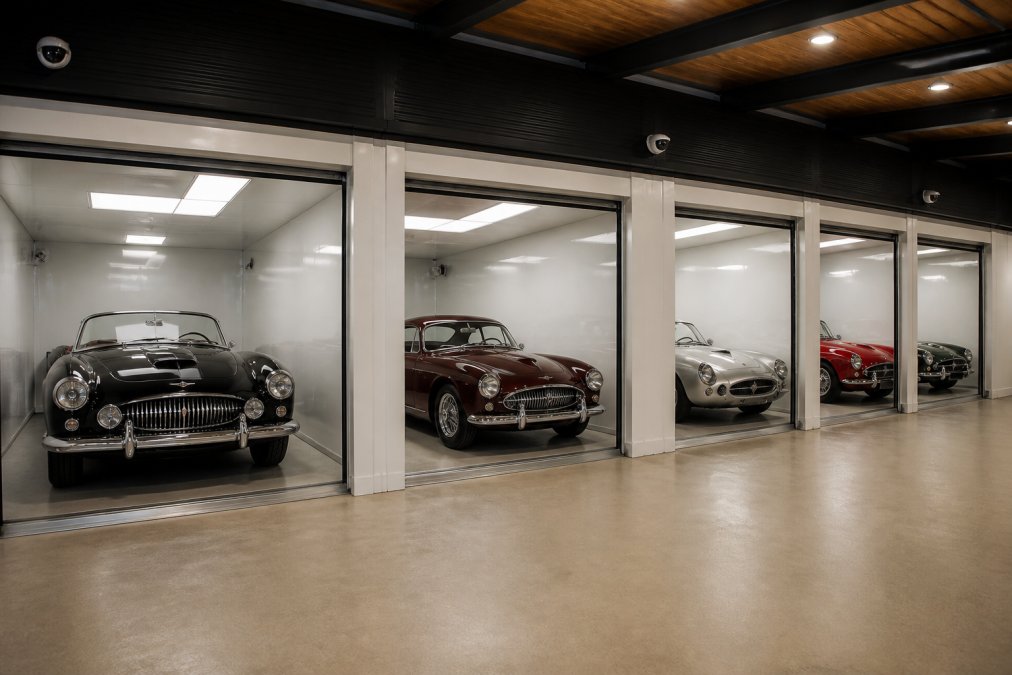
transporting classic vehicles.
Storage conditions directly affect your insurance eligibility and premiums. Insurers require that collector vehicles be stored in a secure, climate-controlled facility.
Climate control is critical. Temperature and humidity fluctuations damage classic cars, metal rusts, paint fades, rubber seals dry out and crack, upholstery deteriorates. A climate-controlled garage maintains stable conditions year-round, protecting your investment. Most insurers require storage facilities to maintain temperatures between 50-80 degrees Fahrenheit and humidity between 40-60 percent (sae.org).
Security is equally important. Your storage facility must have locks, alarms, or surveillance systems. Some insurers require cameras with recording capability; others accept a locked garage with alarm monitoring. The goal is to prevent theft and break-ins.
For collectors with multiple vehicles, dedicated storage becomes a significant consideration. A single climate-controlled garage might hold two or three cars. A serious collection requires a larger facility, a barn conversion, dedicated storage unit, or purpose-built collector garage. Some collectors invest in shared collector car storage facilities providing climate control, security, and often insurance discounts.
Documentation of storage conditions matters during underwriting. Insurers often request photos of your garage, proof of climate control systems, and details about security measures. This documentation becomes important if you file a claim.
Valuation Documentation and the Claims Process
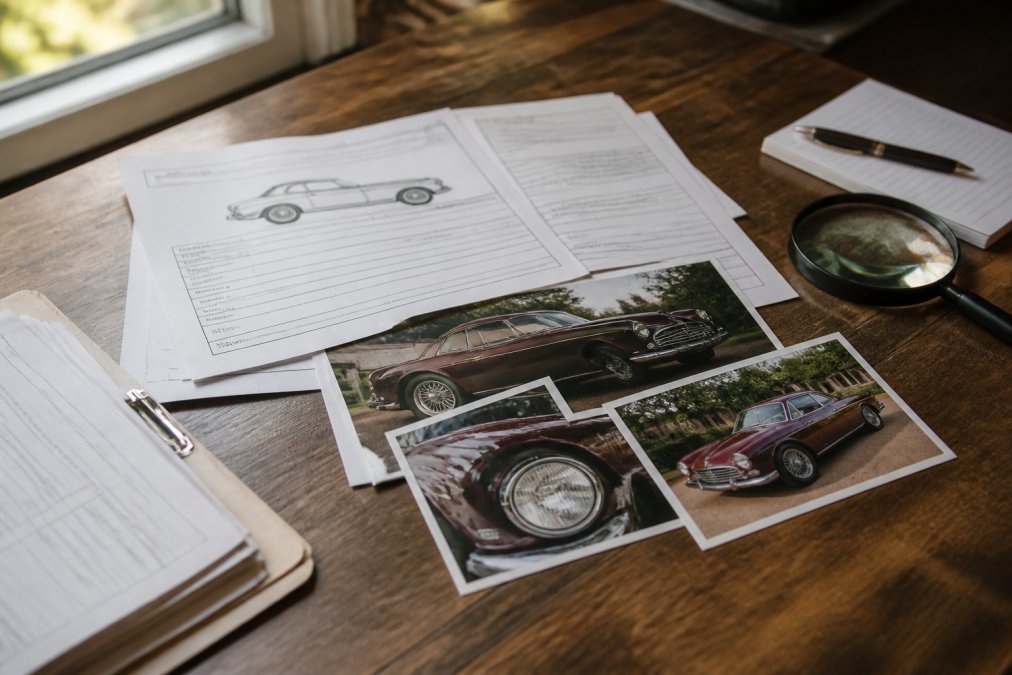
Proper valuation documentation is the foundation of collector car insurance. Without it, you’re vulnerable to disputes and reduced payouts.
A professional appraisal is the standard starting point. An appraiser examines the vehicle, documents its condition, researches comparable sales, and produces a detailed report establishing market value. This appraisal becomes the basis for agreed value coverage, considering the vehicle’s condition, originality, restoration quality, rarity, and market demand.
Beyond appraisals, maintain comprehensive documentation of your vehicles. Photographs from multiple angles, including interior and undercarriage details, establish baseline condition. Service records document maintenance and repairs. Receipts for restoration work prove your investment. For modified or restomod vehicles, detailed documentation of modifications is essential.
When you file a claim, this documentation becomes your evidence. Collectors who maintain meticulous records have straightforward claims processes. Those with sketchy documentation face delays, disputes, and reduced payouts.
The claims process begins when you report the loss to your insurer, providing details about what happened and the vehicle involved. The insurer assigns a claims adjuster who investigates the loss, verifies coverage, and determines the appropriate payout. For agreed value policies, this process is typically quick. For stated value policies, the adjuster might conduct an independent appraisal.
For partial losses, the adjuster obtains repair estimates. If your policy includes restoration coverage, the adjuster works with restoration specialists to determine appropriate repair costs. Documentation of previous restoration work becomes valuable here.
Factors That Affect Your Collection’s Premium
Premium calculations for collector vehicles differ fundamentally from standard auto insurance. Insurers focus on how well you protect the vehicles and how you drive them.
Vehicle value is the primary premium driver. A $50,000 classic car costs more to insure than a $15,000 example, though the relationship isn’t linear.
Annual mileage directly affects premium. Vehicles driven 2,500 miles per year cost less than those driven 5,000 miles annually.
Storage conditions impact premiums significantly. A vehicle in a dedicated climate-controlled garage with security systems costs less than one in an open carport.
Driver age and experience matter. Younger drivers typically pay higher premiums. Drivers with clean records pay less. Some insurers offer discounts for drivers over 55 or 65.
Vehicle condition affects underwriting and premiums. A well-maintained, original vehicle might qualify for better rates than a heavily modified example.
Claims history follows you. Previous claims result in higher premiums or coverage restrictions. A clean claims history earns discounts.
Membership in car clubs sometimes qualifies for discounts. Organizations like the Classic Car Club of America demonstrate commitment to proper vehicle care and correlate with lower claims rates.
Garage location also matters. Urban areas with higher theft rates might carry higher premiums than rural areas. Regional weather patterns affect comprehensive coverage costs.
Steps to Qualify and Get Covered
Getting your classic car collection properly insured requires a structured approach. Start by gathering documentation, vehicle titles, registration documents, photos from multiple angles, and any service or restoration records. Compile professional appraisals if you have them.
Next, research carriers specializing in collector vehicle insurance. Not every insurer offers this coverage, and those that do have different eligibility criteria and coverage options. Colstan & Associates partners with specialists in classic car insurance, matching your collection with carriers that understand collector vehicles.
Contact potential insurers with basic information about your collection, year, make, model, condition, storage location, and estimated annual mileage. Be honest about modifications or restoration work. Misrepresenting vehicle condition can void coverage later.
If the insurer requires an appraisal, arrange that next. A professional appraisal is essential for establishing agreed value coverage.
Once you have appraisals and documentation, submit a formal application. The insurer will review your information, verify storage conditions if necessary, and provide a quote. Review the quote carefully, understanding what’s covered, excluded, and deductible amounts.
Before binding coverage, confirm specific terms. Verify that mileage limits match your driving plans. Confirm that storage requirements align with your actual setup. Clarify how modifications or restoration work are covered. Ask about claims procedures.
When satisfied with the coverage and premium, bind the policy, make your first premium payment, and you’re covered. Going forward, maintain your documentation and update your insurer if you make significant modifications, add vehicles, or change storage locations.
Insuring a classic car collection requires a different approach than standard auto insurance. The vehicles you’ve invested in deserve protection that recognizes their value, condition, and the care you’ve put into preserving them. Agreed value coverage, proper documentation, and specialized underwriting create a foundation where claims are straightforward and payouts are certain.
At Colstan & Associates, we understand that your classic car collection represents more than transportation, it’s an investment, a passion, and often a family legacy. Our partnership with specialists in collector vehicle insurance means we can guide you through the underwriting process, help you establish proper valuations, and ensure you have coverage that actually protects what you’ve built. When you’re ready to get your collection properly insured, contact Colstan & Associates for a personalized quote that reflects the true value of your vehicles.
Frequently Asked Questions
What is the difference between agreed value and stated value insurance for a classic car collection?
Agreed value insurance sets a predetermined price for your vehicle upfront through professional appraisal, and that's what you receive if a total loss occurs. Stated value insurance lets you declare the vehicle's worth, but the insurer can adjust the payout based on actual cash value at the time of loss. For collector vehicles, agreed value typically offers better protection because your rare or restored car's true worth is documented and guaranteed, not subject to depreciation disputes.
What are the main classic car insurance requirements I need to meet?
Most classic car insurance policies require your vehicle to be at least 25 years old, in good working condition, and used for limited purposes like car shows, exhibitions, and pleasure driving rather than daily commuting. You'll need proof of ownership, a professional appraisal documenting the vehicle's value, and often proof of membership in a car club or collector organization. Some insurers also require that you have another vehicle for primary transportation and that your collection is stored in a secure, climate-controlled garage.
Are there specific storage guidelines I need to follow for my collector vehicles?
Yes, most policies require climate-controlled storage to protect your collection from weather damage and rust. Your garage should have security features like locks, alarms, or cameras, and ideally be kept at a stable temperature and humidity level. Vehicles should not be stored outdoors or in unprotected structures. Some insurers also require that you maintain the vehicles regularly, keep fuel tanks full or empty depending on long-term storage plans, and document the condition of each car periodically.
How does insuring a collection differ from insuring individual classic cars?
A collection policy bundles multiple vehicles under one comprehensive agreement, often with better rates than individual policies and simplified management. Collection policies account for your entire fleet's value and usage patterns, offering features like spare parts coverage and restoration protection across all vehicles. They also typically include higher liability limits and may cover vehicles in transit or at events. Individual policies treat each car separately, which can mean higher overall costs and more paperwork to manage renewals and claims across multiple policies.
This article was written using GrandRanker